Tactical Apparel & Accessories
↳
Black friday sale 50% off
Black friday sale 50% off
Black friday sale 50% off
Black friday sale 50% off
Black friday sale 50% off

SKELETAC Utility Insert

Sheriff Patch

Police Patch

Security Patch

Corrections Patch
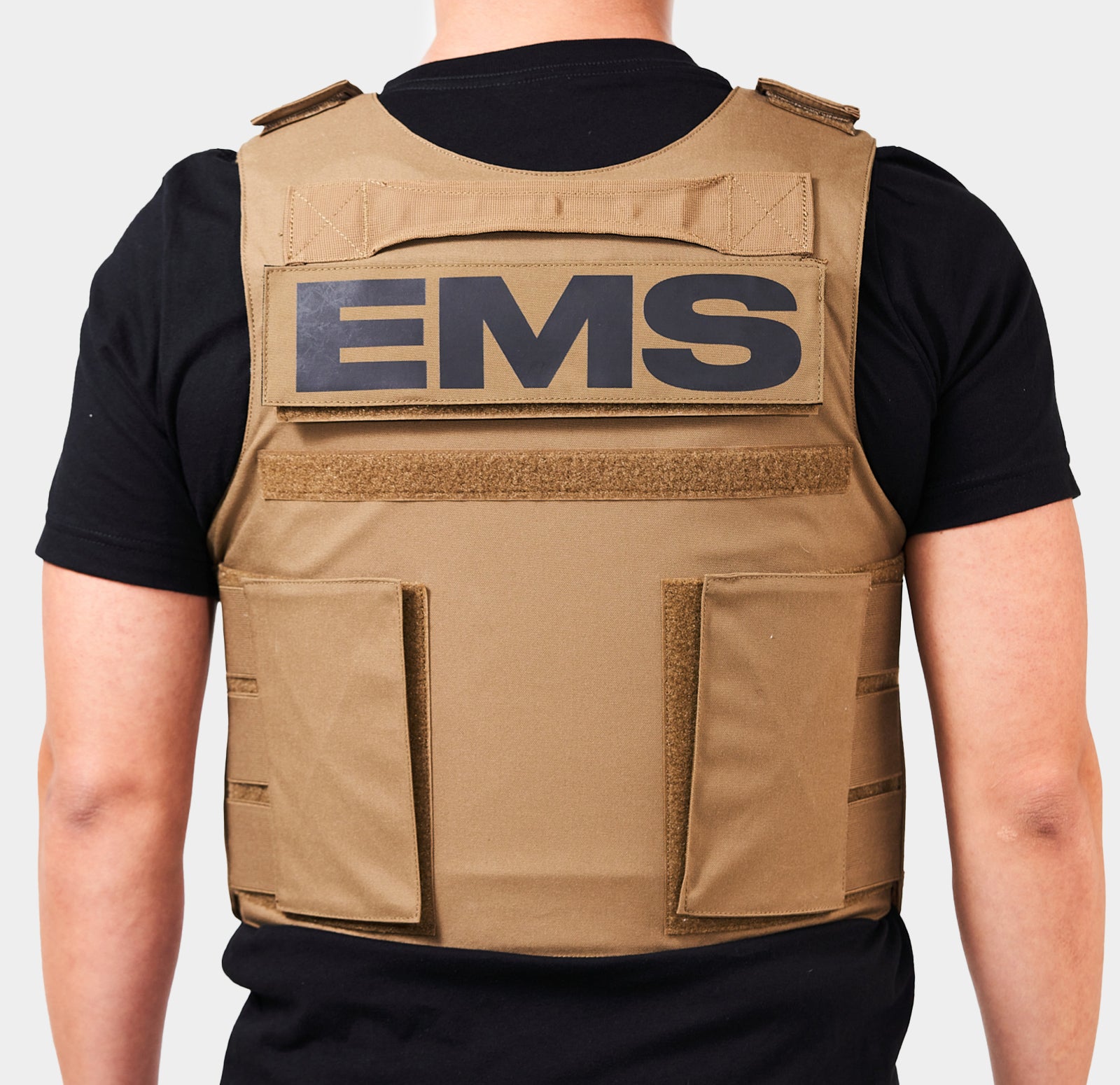
EMS Patch

FIRE Patch

HRT LBAC Large Cummerbund Sleeve

HRT LBAC Side Plate Sleeve

HRT Maximus Placard

HRT Modulus Placard

HRT Response Placard

HRT Triple-AR Placard

HRT Zip-On Medium Pack
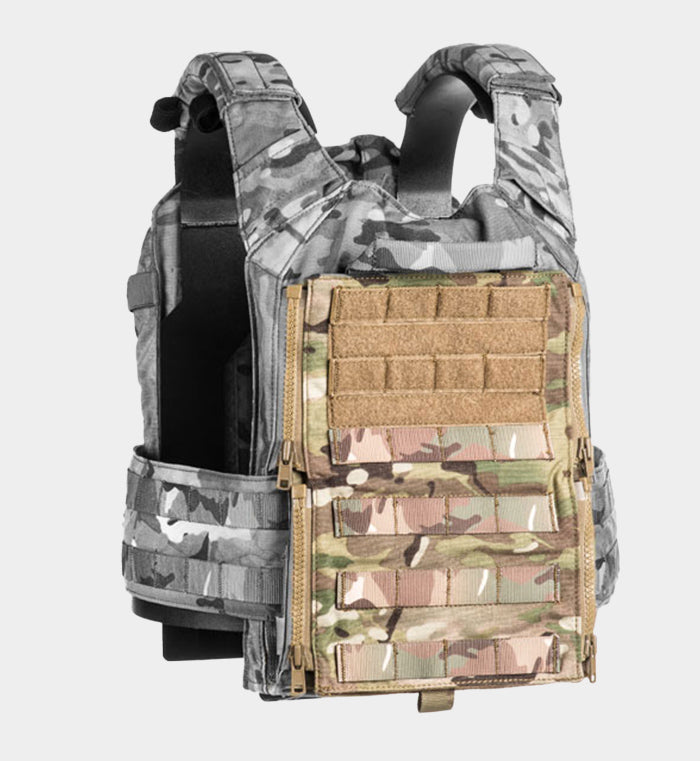
HRT Zip-On Molle Panel

NOBLE Charge Back Panel

NOBLE Low Profile Back Panel

NOBLE Charge Cummerbund

NOBLE QR Cummerbund

NOBLE Side Plate Pouches

NOBLE Comfort Pad Set
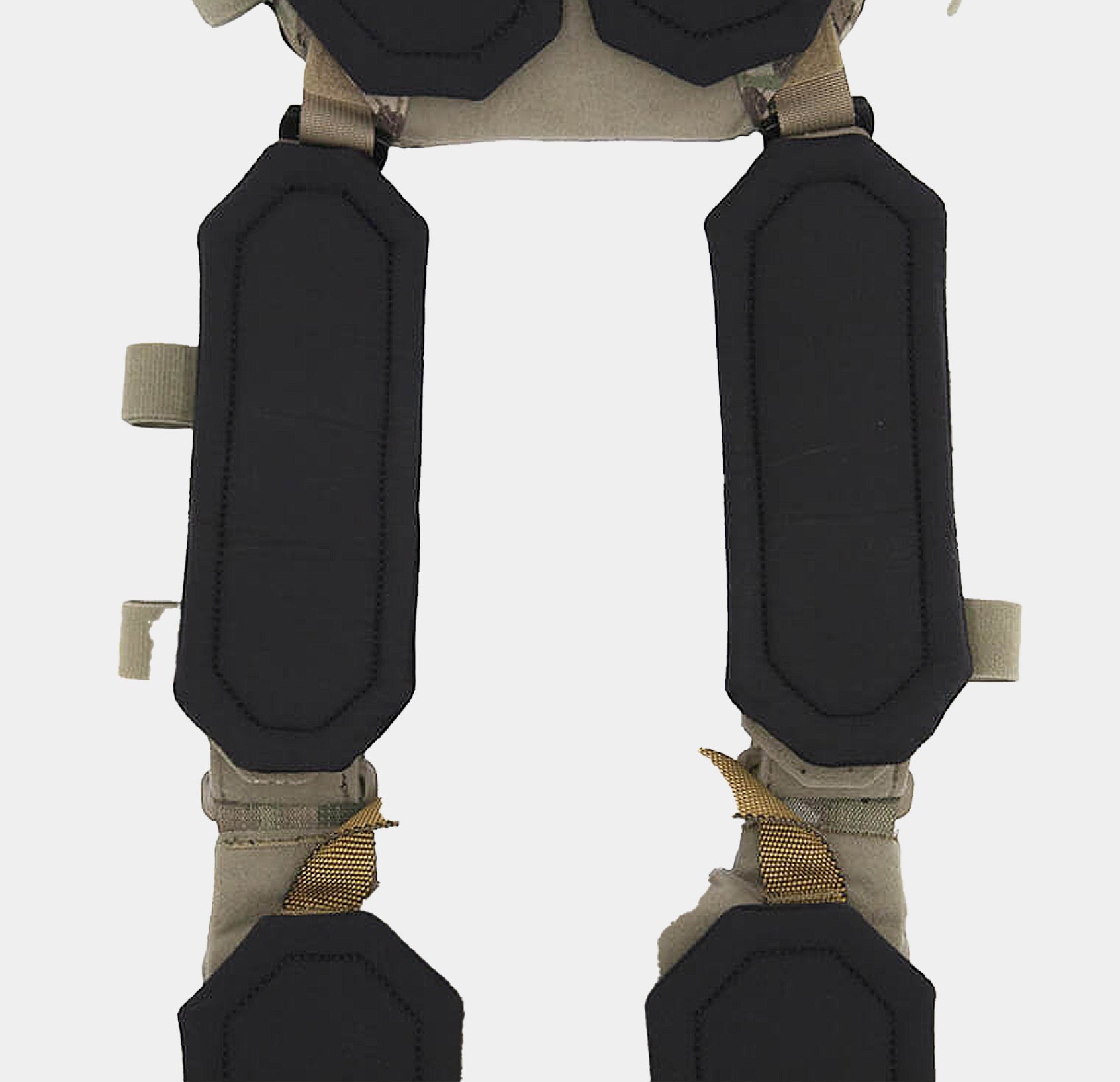
NOBLE Low Profile Shoulder Pads

NOBLE Low Profile Comfort Pad 1PCS

Templar's Gear Dump Bag CAPAX
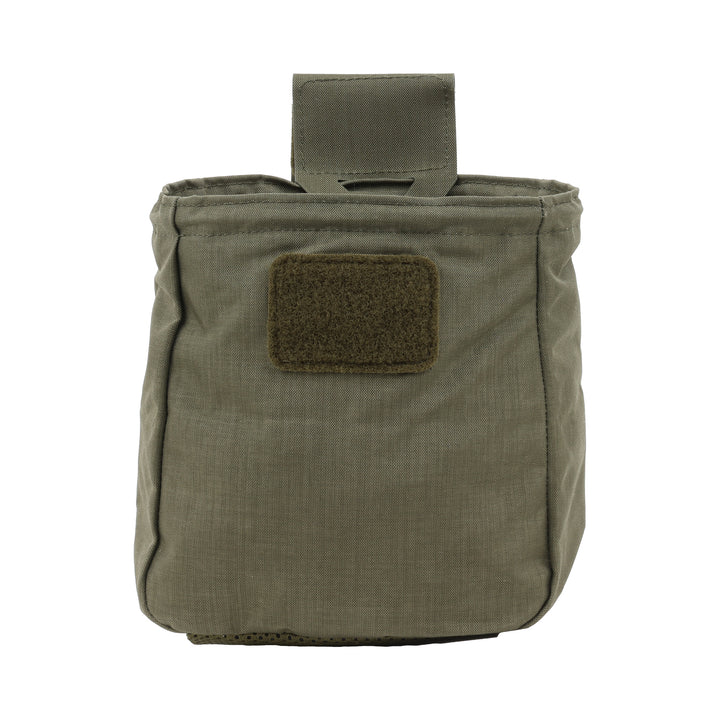
Templar's Gear Dump Bag

Disposable Gloves Pouch Gen 1.1

Tourniquet Pouch

Tourniquet FULL FLAP QR

Rip-off First Aid Pouch AZ-2

Utility Pouch MOLLE gen 1.1

Utility Pouch

Handcuff Pouch

Admin Panel Astrolabe GEN2

Flashbang/Flashlight Pouch FULL FLAP QR

Rifle Advanced FMR

Rifle Advanced DFMR

FMPDS Pistol Pouch

Thermacore Base Layer T-Shirt

Anti-Cut Wrist Sleeve

Anti-Cut Arm Sleeve

Enhanced Comfort Pads

SKELETAC Single Pistol Magazine Insert for Kangaroo Pouch

SKELETAC Single Insert for Kangaroo Pouch

Side Extension Pouches

SKELETAC Double Stack Kangaroo Pouch

Accessories Velcro Panel

M.A.P. Pack MOLLE Backpack

SKELETAC Triple AK/AR Insert

SKELETAC Quadruple SMG Magazine Insert

SKELETAC Single Stack Kangaroo Pouch

SKELETAC Kangaroo Pouch Harness
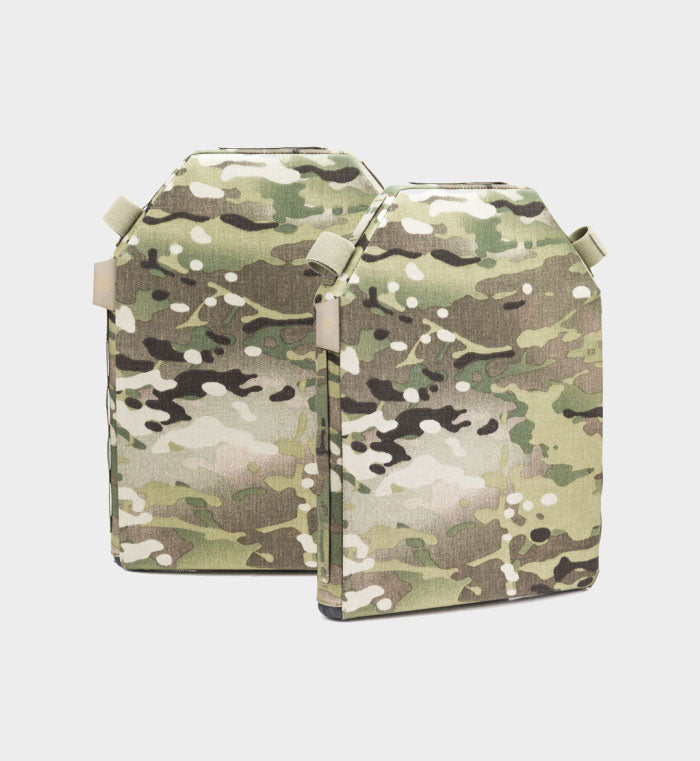
SKELETAC Plate Bags

Hybrid Waist Pack

SKELETAC Wrap Utility Pouch

SKELETAC Wrap AR15 Utility Pouch

SKELETAC Velcro Adapter

SKELETAC Back MOLLE Panel

SKELETAC Medical Pouch

Tactical Belt

NOBLE Hybrid Rifle Front Flap

NOBLE Shoulder Mounts

Dump Bag INTER

Patrol Vest Carrier — Tactical MOLLE Outer Carrier Vest

SKELETAC Hybrid Vest Carrier — Lightweight Tactical Vest Carrier

Primer Vest Carrier — Uniform Outer Carrier Vest

Livewire Vest Carrier — Uniform Body Armor Vest Carrier

Spectre Concealable Vest Carrier — Low-Profile Soft Armor Carrier

Comp-28 Vest Carrier — Load-Bearing Tactical Vest Carrier

Patrol Laser-Cut Vest Carrier — Tactical Outer Carrier Vest

High-Visibility Vest Carrier — Reflective Hi-Vis Safety Vest Carrier

CIBV Cataphract Hybrid Vest Carrier — Soft Armor & Plate Compatible

Bulletproof T-Shirt Carrier Only

HALO Concealable Vest Carrier — Carrier Only, No Armor

Cataphract SAR Vest Carrier — Search & Rescue Hi-Vis Carrier

Side Load Carrier — Patrol Plate Carrier with Side-Loaded Plate Pockets

RapidShield Handheld Ballistic Shield - Level 3A Portable Protection

TacGrip Tactical Shooting Gloves — Goat Leather

CIBV Cataphract 3.0 Vest Carrier — Modular Tactical Vest Carrier
BODY ARMOR GUIDES & RESOURCES
8 Essentials for a Complete Tactical Gear Checklist
Master your tactical gear checklist with 8 key items every professional and security-minded civilian should carry. Learn how to protect and equip yourself effectively.
Tactical Gear Buying Guide: Choose the Right Security Equipment
Follow this tactical gear buying guide for a step-by-step process to select the best equipment for personal protection and security needs.
10 Must-Have Police Gear for Every Officer
Discover 10 essential must-have police gear items that enhance safety, efficiency, and performance for law enforcement professionals.
KNOW MORE ABOUT TACTICAL GEAR
What is tactical gear and what does it include?
What is a plate carrier and what does it do?
Is it legal for civilians to buy tactical gear and plate carriers?
What is MOLLE and how does it work?
How do I choose the right plate carrier size?
What's the difference between a plate carrier and a chest rig?
What materials is high-quality tactical gear made from?
Is a plate carrier bulletproof on its own?
What tactical gear do law enforcement and military use?
How do I set up and build a tactical loadout?
What's the difference between laser-cut and traditional MOLLE webbing?
How do I care for and maintain my tactical gear?