When it comes to home security, most people think of locks, alarms, and maybe a camera or two.
When it comes to home security, most people think of locks, alarms, and maybe a camera or two. However, in today’s unpredictable world, these basic measures may not be enough. Homeowners seeking maximum protection are now integrating tactical gear into their security strategies. This means thinking beyond the typical alarm system, incorporating body armor, firearms, and surveillance systems for a truly layered defense. Here’s how you can use tactical gear to safeguard your home and loved ones.
Tactical Gear as Part of a Layered Defense System
If you want to turn your home into an impregnable fortress, any single form of defense won't be enough. The key to home defense is a layered approach, which combines traditional security measures—like reinforced doors and windows—with advanced technology and tactical gear.
Ideally, you should consider yourself and your tactical gear as the final line of defense. You should only have to put yourself in danger, where every other layer of defense has failed.
The first layer of defense should be your security cameras, Alarms, and flood lights. These are in place to deter anyone from even trying to break into your home. If these aren't enough, the second layer of defense will be your reinforced doors and windows, with locks that are hard to break. These will keep the home invaders out of your home, and give you enough time to call the police.
Finally, if all of these systems fail, and the criminals break into your home, you can be there, waiting for them like a big bad boss, with your armor equipped, and your home defense weapon in hand. Still, there are several home defense strategies that you can use to delay the fight as much as you can so that the local authorities have enough time to respond before you put yourself in danger.
So, let's talk about these layers in detail, and look at how they will work.
1. Surveillance Systems: A Vital Tool for Intelligence
Your first line of defense is intelligence, and modern surveillance systems are the best tools for gathering it. A good surveillance system allows you to monitor your property in real time, providing alerts to potential threats before they become immediate dangers. This gives you time to react, whether it’s preparing to defend yourself or calling for help.
Motion-Activated Cameras conserve power by only recording when movement is detected, making them ideal for low-traffic areas. Additionally, these cameras can send an alert to your phone when they detect movement on your property so that you can assess the threat by looking at the live feed from the camera, and take security measures as required. Modern cameras these days also have night vision, which can help you identify threats in the dark.
If you see an intruder approaching your home, you can don your body armor and retrieve your firearm before the threat reaches your doorstep. This kind of preparation can provide invaluable seconds when every moment counts.
2. Alarms and Flood Lights - a Highly effective Deterrent:
Whoever is trying to break into your home, probably wants to do so undetected, and they want to attract as little attention as possible. This is where Alarms and Flood Lights can be very effective.
When you get an alert from your motion-sensing security cameras, and you identify the movement as a threat, you can remotely turn on the floodlights from inside your home, which will light up your property, and take away the cover of darkness.
Then, if the intruder is still there, sound the alarms, which are sure to attract a lot of attention, and send any intruder running away even before they reach your front steps.
3. Body Armor: A Personal Line of Defense

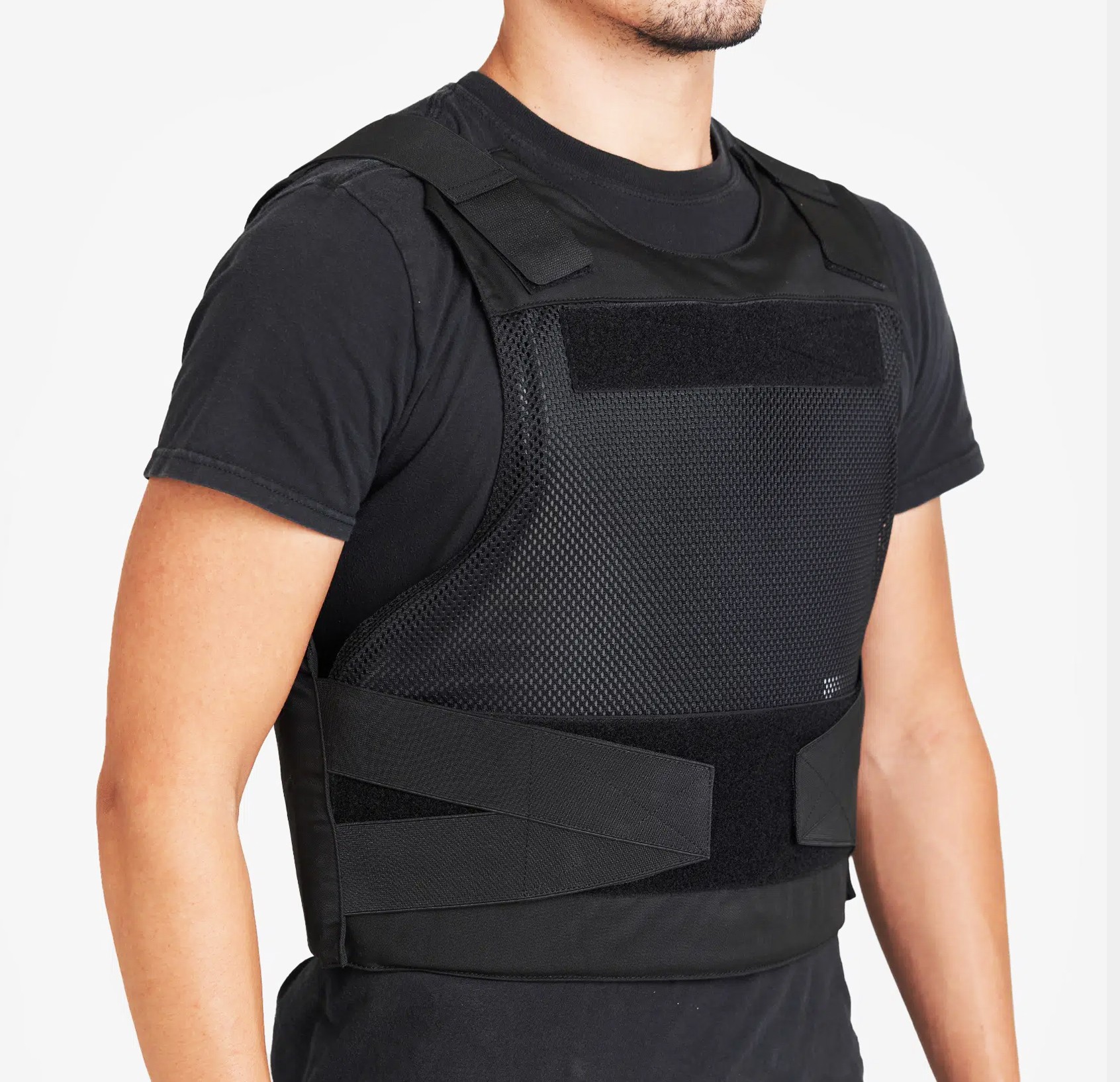
Body armor isn't just for Military and Law Enforcement. As a civilian, having body armor on hand during a home defense situation can be the difference between life and death.
Unpredictable situations, such as a home burglary or even natural disasters, may force you to defend yourself in your own home. Having the right type of body armor accessible ensures that you are prepared for these moments.
Types of Body Armor:
Level IIIA Soft Armor: This is ideal for mobility and comfort. It protects against common handgun rounds and can be worn under clothing without restricting movement.
Level III+ or IV Hard Plates: For high-threat situations involving rifles or other powerful firearms, these plates offer greater protection, although they can be bulkier and heavier.
Ballistic Helmets: if you want to take your personal defense gear to the next level, consider buying a Tactical Ballistic Helmet like the Ace Link Gen 2 Special Mission Ballistic Helmet. A Helmet won't only improve your ballistic protection, but it will allow you to mount additional tactical accessories that can improve your combat effectiveness.
Placement and Storage:
Store your armor in a location where it can be accessed quickly, such as a closet near your bedroom. It’s important to regularly inspect and maintain your armor to ensure it remains effective. Extreme heat, moisture, and improper storage can degrade its effectiveness over time.
Product Comparison