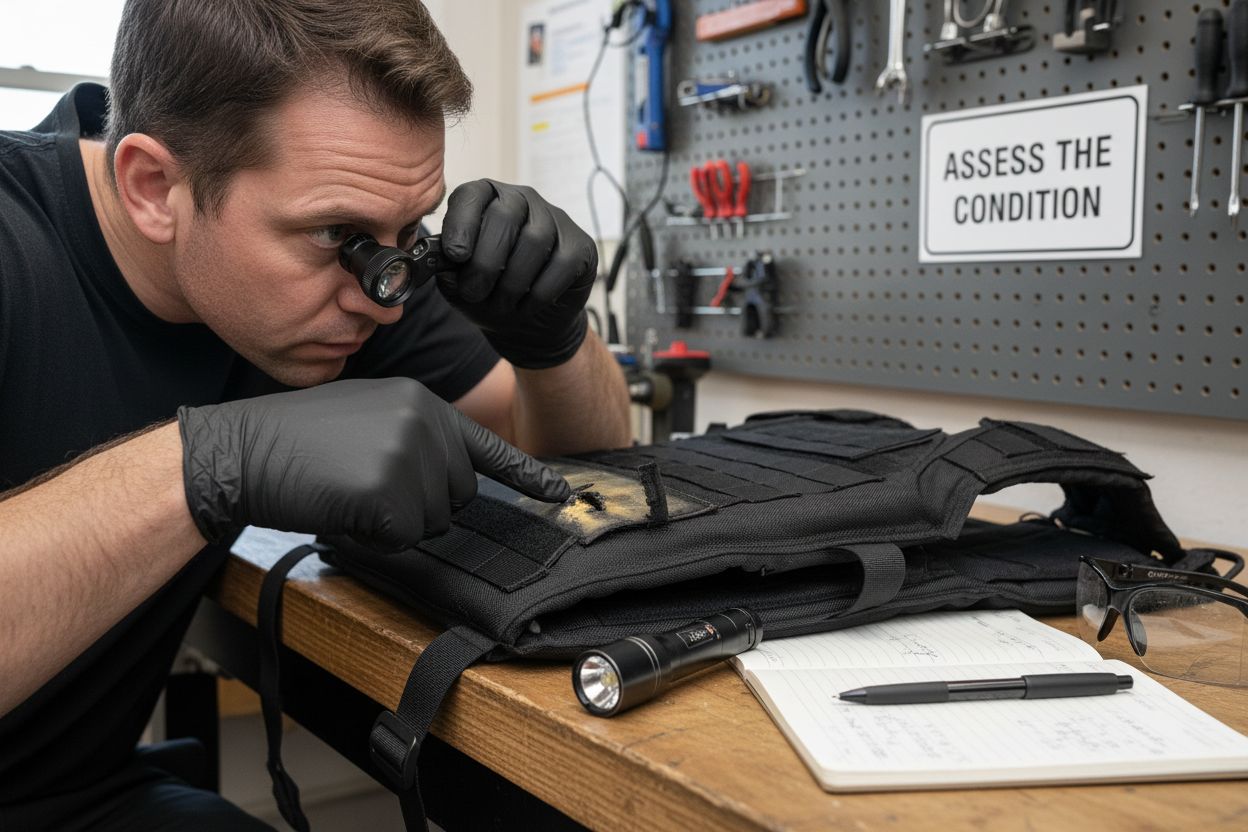
Body armor and ballistic vests can be very effective pieces of gear for personal protection, however, very few people talk about the adverse social, and psychol
Key Takeaways
Concealable armor must balance protection, coverage, comfort, heat management, and movement.
The right fit keeps panels positioned over vital areas without restricting breathing or range of motion.
Base layers and carrier selection can reduce heat buildup, friction, printing, and fatigue during long wear.
Check NIJ rating, warranty status, and manufacturer sizing guidance before relying on any armor setup.
Body armor and ballistic vests can be very effective pieces of gear for personal protection, however, very few people talk about the adverse social, and psychological effects wearing Overt body armor has.
The main purpose of a bulletproof vest, for both civilians and law enforcement, is to increase their survivability. Now, in many cases, an individual's survivability depends a lot more on them staying inconspicuous, rather than making a show of force, and in some cases, it's the other way around.
So, in Today's discussion, we will focus on the impact of concealable body armor on survivability and protection. We will explore the advantages of concealable body armor over overt body armor in certain situations and compare the scenarios where each type of body armor is more effective, followed by a comprehensive guide on how to wear concealable body armor for the best results.
Editorial intent: Commercial Investigation; Legal. This guide is part of the Ace Link Armor soft armor knowledge base and should be read with related fit, protection, and product-selection resources.
Continue reading: For more context on soft armor decisions, compare this guide with Bulletproof Clothing Guide 2022, How to Train with Your Bulletproof Vest: Preparing for High-Risk Situations, Body Armor Innovations: Bulletproof Vest Complete Guide, Reasons You Should Own A Bulletproof Vest.
Overt Body Armor Vs Concealable Body Armor.
Overt body armor acts as an additional layer of protection and a deterrent. Still, it makes you stand out and may attract unwanted attention from certain criminal elements who aren't deterred by body armor. On the other hand, Concealable body armor offers inconspicuous protection, making it easier for people to blend into the crowd, and avoid unwanted eyes.
That being said, both types of body armor are very useful, in different kinds of scenarios. For instance, in a situation where you may want to blend into the crowd and avoid too much attention while being protected in case of an attack, Concealable body armor is the best option. In other situations, perhaps when Law enforcement units are performing a raid or protecting a large public event, Overt bulletproof vests may be the better option.
Tips for proper concealment of body armor under Clothing:
Though concealable body armor is designed to be worn under your clothing, it doesn't mean it is completely invisible. If you don't wear your concealable vest properly, with the proper clothing to hide it, anyone curious enough to look will be able to tell you are wearing body armor. So, here are some quick tips and tricks to help you Conceal your bulletproof under your vest properly.
Buy the right kind of body armor:
First and foremost, you need to make sure that you are buying the right kind of armor for concealability. Soft armor bulletproof vests designed for concealability are the way to go. These vests are flexible, have slick covers, and can be worn under your clothing.
Wear the right kind of clothing:
Choosing the right clothing over your concealed bulletproof vest is also a key factor in improving concealability. Ideally, you should wear clothes that are a bit lose, so that they can hide the outline of the vest.
Wear multiple layers when possible.
Wearing additional layers of clothes, like perhaps a jacket or a coat can help in concealing bulletproof vests. This is especially important if you are using a vest with thick or hard body armor inserts.
Clothing with darker tones is better:
The color and tones of the outfit you wear can also impact the concealability of your body armor. Lighter-colored clothes, especially light shirts, can be seen through and accentuate the outline of your concealed vest, whereas, darker colors create shadows, and absorb light, allowing the outline of the vest to blend into the natural tone of the fabric.
Make sure that the vest fits properly:
This is perhaps one of the most important things you need to keep in mind when buying or wearing concealed body armor. A concealed bulletproof vest should fit your body perfectly. It shouldn't shift around as you move, and should not stick outside the natural outline of your body. These factors can make your armor very noticeable.
Moreover, a vest that doesn't fit your body is bound to be uncomfortable, and that can change the way you walk, or move around. This can also make it more noticeable that you wear a concealed bulletproof vest.
Conceal the edges of your Armor panels:
The outline of your vest is the most noticeable factor when wearing a shirt. This is caused by the straight edges of the panel, which don't blend into the outline of your body. This can be solved in many ways. You can tuck the bottom edges of the vest into your pants or use tape or fabric glue to secure them to your clothing. Ideally, you should get a padded vest to hide the edges of the armor panels.
Practice good posture:
Lastly, you need to make sure that you maintain a good posture. Slouching or hunching over can make your vest much more visible under your clothing, making its outline more obvious. Moreover, the way you walk, sit, and move around can also be affected when you're wearing armor. Therefore, make sure to practice your posture while wearing a bulletproof vest, so that you can get used to the feeling of it.
Product Comparision
Image | Product | SKU | Price |
|---|---|---|---|
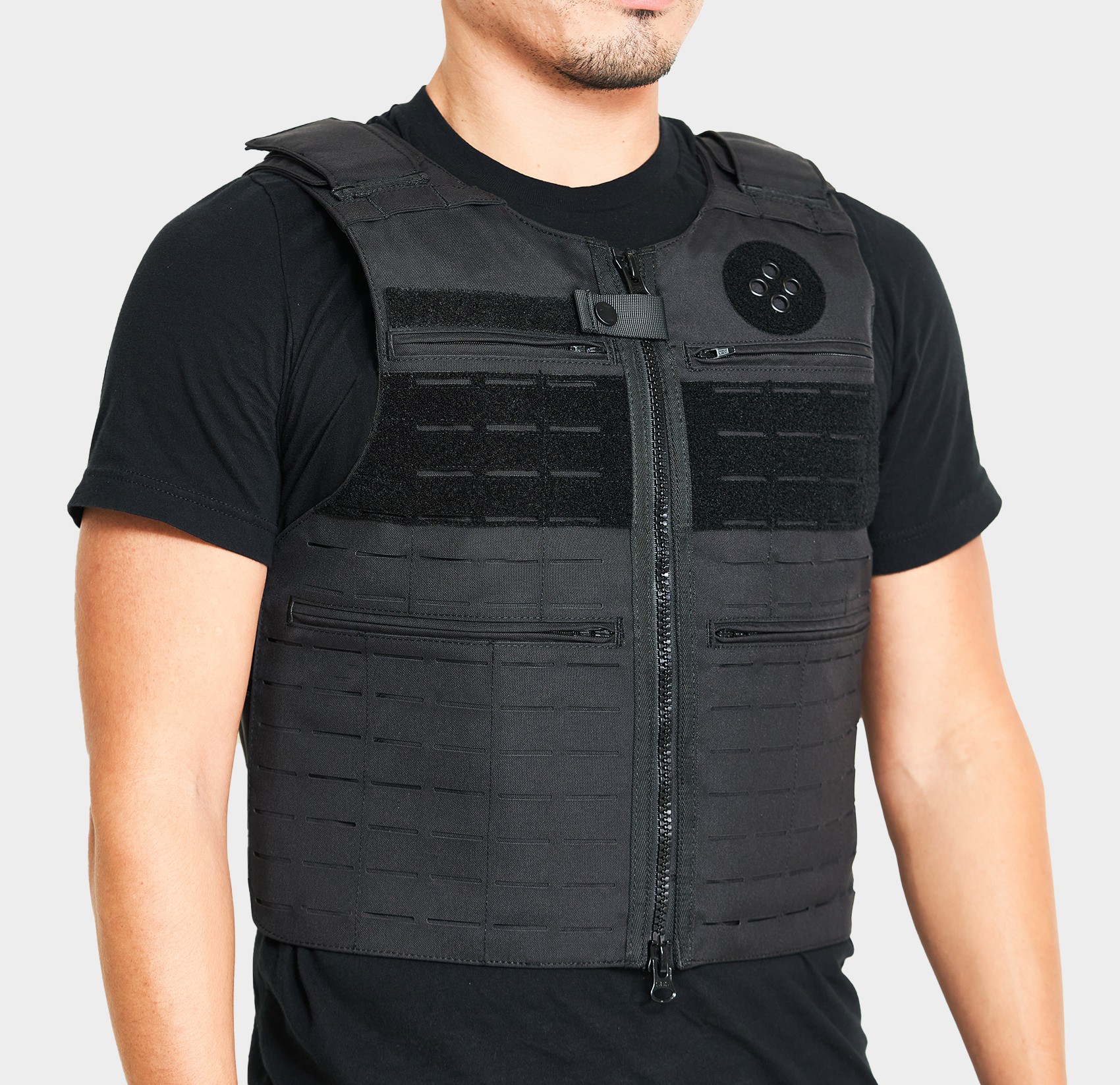 | PAT-3A-LC | $479 | |
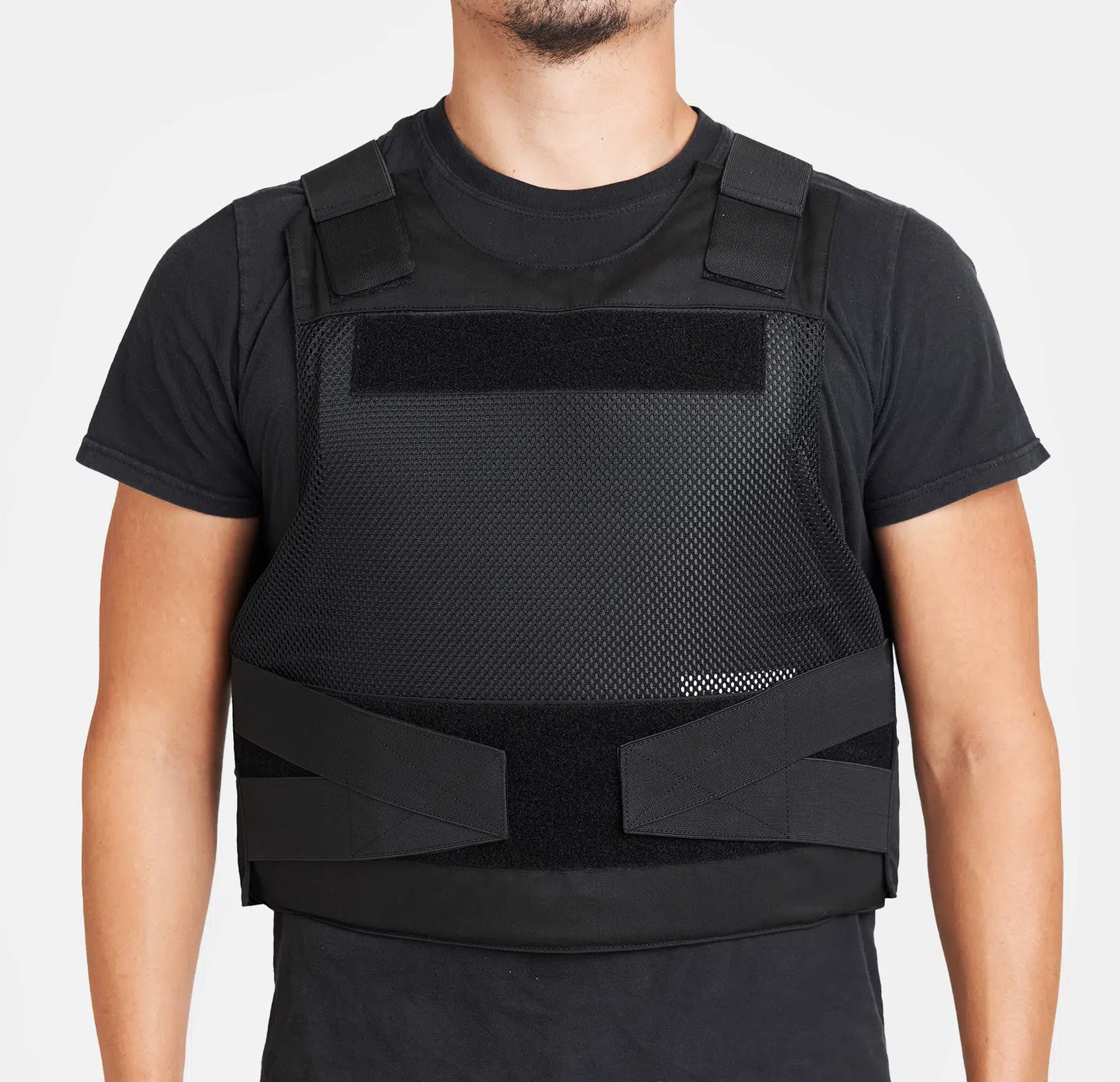 | BVS-CNL-3A-FLEX | $555 |
How to conceal hard body armor plates:
Concealing hard body armor plates is a challenging task, but it can be achieved with the right equipment and clothing. The first thing to consider is the type of hard armor plates you have, as some are thinner and lighter than others, making them easier to conceal. For example, 100% PE plates are usually thinner and lighter than ceramic plates.
Next, you will need to choose a concealable plate carrier that is designed to fit under clothing. Many companies manufacture these types of plate carriers, typically made from lightweight materials that are breathable and comfortable to wear for long periods. An excellent example here is the React Plate Carrier, a low profile plate carrier that's possible to wear unnoticeably under your clothing.
However, one of the main challenges of concealing hard body armor plates is that they can be quite bulky and heavy, which can make them noticeable even under loose-fitting clothing. To address this, you will need to wear multiple layers of clothing, such as a shirt, sweater, and jacket, to help distribute the weight and reduce the bulkiness of the plate carrier.
It's important to note that while hard armor plates provide superior protection against high-powered rifle rounds, they are not as flexible as soft armor vests and can restrict your movement. Additionally, wearing multiple layers of clothing can be uncomfortable, especially in hot weather.
Final Thoughts:
In conclusion, concealing a bulletproof vest under clothing is a useful technique for people who want to wear body armor on a regular basis while remaining inconspicuous. By choosing the right clothing, adjusting the fit, and concealing the edges, you can ensure that your vest remains hidden and provides you with the protection you need when you need it the most. With these simple tips and tricks, you can stay protected and blend in with your surroundings no matter where you go.
Recommended Soft Armor Products
Product fit depends on the user, threat profile, and environment. For this topic, the most relevant product paths are: Concealable Level IIIA bulletproof vests; soft armor panels; bulletproof base layers. Verify sizing, protection level, and current product specifications before purchasing.