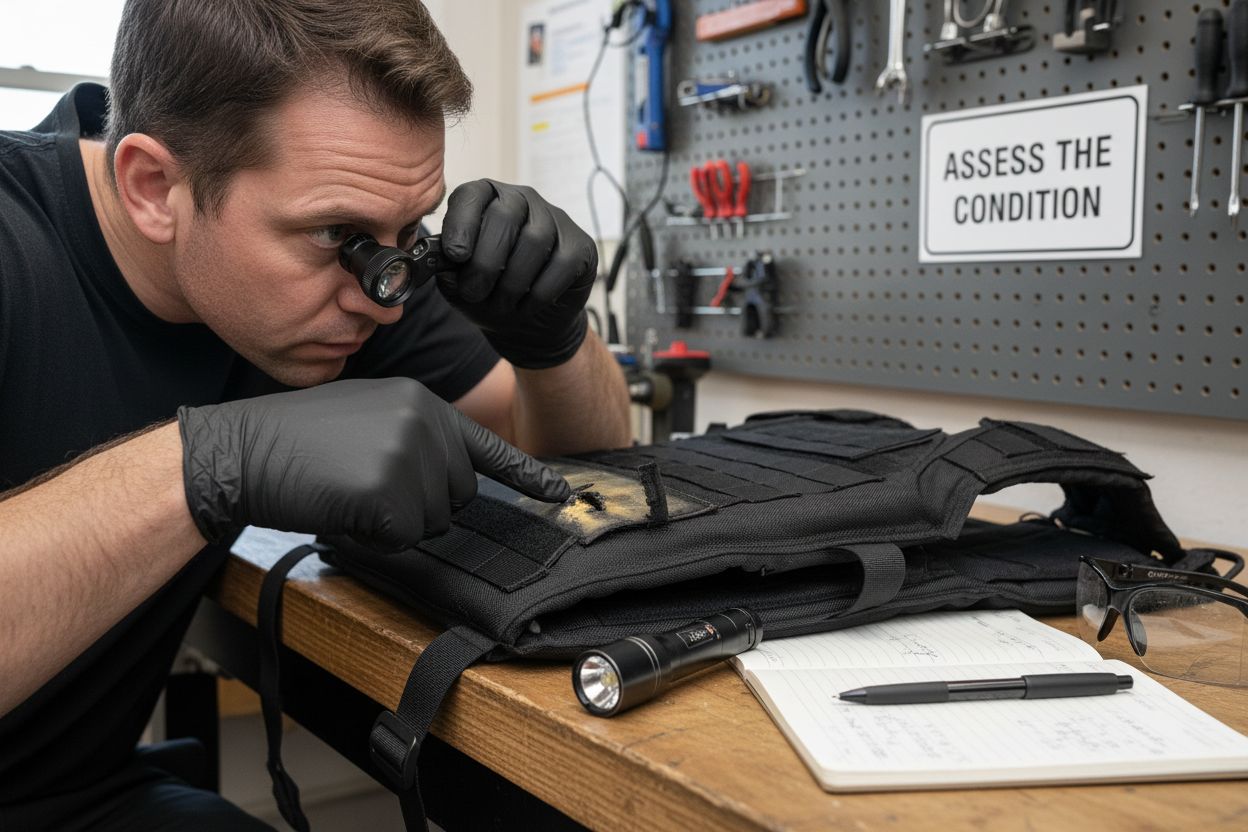
Explore body armor innovations in 2025, including flexible plates, coverage advances, ventilated carriers, and real-world applications for professionals.
Key Takeaways
Soft armor selection should start with threat level, fit, coverage, comfort, and verified performance claims.
NIJ terminology should be used carefully: certification, testing, and protection level are not interchangeable.
Readers should compare related guides before choosing a vest, panel, or concealment setup.
Product recommendations should match the article’s intent and the user’s realistic risk profile.
Did you know that next-generation body armor in 2025 weighs up to 40 percent less than traditional models while offering even better protection? This leap comes at a time when both military and civilian users demand greater comfort, adaptability, and survivability of their bulletproof vest. Cutting-edge innovations now allow flexible, cool, and user-friendly armor that does not sacrifice safety. Discover how these changes are reshaping personal protection for everyone from soldiers to civilians.
Editorial intent: Commercial Investigation; Buying Guide. This guide is part of the Ace Link Armor soft armor knowledge base and should be read with related fit, protection, and product-selection resources.
Continue reading: For more context on soft armor decisions, compare this guide with Fragments Protection in Body Armor: Complete Guide, Defective Body Armor: A Step-by-Step Guide, Bulletproof Clothing Guide 2022, The Best Body Armor For Your Career In 2022.
Key Takeaways
Point | Details |
|---|---|
Innovative Materials | Body armor technology in 2025 focuses on lightweight materials like nanomaterials and graphene that improve strength-to-weight ratios, reducing bulletproof vest weight by up to 40%. |
Adaptive Systems | Emergence of adaptive protection systems allows dynamic adjustments to armor based on threats and environmental conditions, enhancing user safety and versatility. |
Advanced Cooling Technologies | Implementation of integrated cooling systems and phase change materials promotes better thermal regulation, improving comfort and operational endurance for users. |
Expanded Application | Body armor innovations are extending beyond military and law enforcement to civilian applications, enhancing personal safety with versatile, customizable protective solutions. |
Defining Body Armor Innovations in 2025
The landscape of body armor technology is undergoing a significant transformation in 2025, driven by advanced materials research and emerging design philosophies. According to the National Academies of Sciences, Engineering, and Medicine, the primary focus is on developing armor systems that dramatically reduce weight while maintaining superior ballistic protection.
Key innovations in body armor are emerging across multiple domains:
Lightweight Material Engineering: Researchers are exploring nanomaterials and hybrid composites that offer unprecedented strength-to-weight ratios
Adaptive Protection Systems: Armor designs that can dynamically adjust protection based on threat assessment and environmental conditions
Integrated Cooling Technologies: Advanced carriers that manage heat signature and user thermal comfort during extended wear
The most promising developments center on flexible rifle armor systems that can accommodate diverse body types while providing comprehensive protection. Understanding Body Armor Material Types suggests that graphene, ceramic composites, and advanced polymers are leading candidates for next-generation bulletproof vest, potentially reducing armor weight by up to 40% compared to traditional systems.
These innovations in bulletproof vest technology represent more than technological upgrades - they signify a fundamental reimagining of personal protection, prioritizing mobility, comfort, and adaptability without compromising critical defensive capabilities.
Here’s a comparison of major body armor innovations in 2025:
Innovation Area | Key Advancements | Benefits |
|---|---|---|
Lightweight Materials | Nanomaterials Hybrid composites Graphene | Up to 40% less weight Improved mobility |
Adaptive Systems | Dynamic threat response Environmental adjustment | Customizable protection Enhanced versatility |
Flexible Plates | Multi-curve design Bendable composites | Conforms to body Reduces fatigue |
Cooling Technologies | Active channels Phase-change fabrics | Lowers heat Boosts comfort & endurance |
Expanded Coverage | Larger plates Multi-threat resistance | Superior coverage Greater survivability |
Ergonomic Design | Adaptive contouring Biomechanical integration | Better movement Less strain |
Flexible Plates and Ergonomic Breakthroughs
The 2025 body armor landscape is revolutionizing bulletproof vest protection through ergonomic design and advanced material technologies. According to the Future Force Conference, the primary objective is developing armor systems that seamlessly integrate mobility, comfort, and comprehensive protection for modern warriors.
Key ergonomic breakthroughs are transforming body armor design:
Adaptive Contouring: Plates that conform to individual body shapes, reducing rigidity and improving movement
Modular Plate Configurations: Customizable protection zones allowing personalized coverage based on mission requirements
Biomechanical Integration: Design principles that minimize muscular strain and optimize range of motion
The most significant advancement lies in material flexibility. New composite technologies enable armor plates that bend and flex without compromising ballistic resistance. NIJ Levels of Protection indicate these innovations can maintain high-performance standards while dramatically reducing user fatigue.
These ergonomic developments represent more than incremental improvements - they signal a fundamental shift towards human-centric armor design, where protection and performance are no longer mutually exclusive but synergistically enhanced.
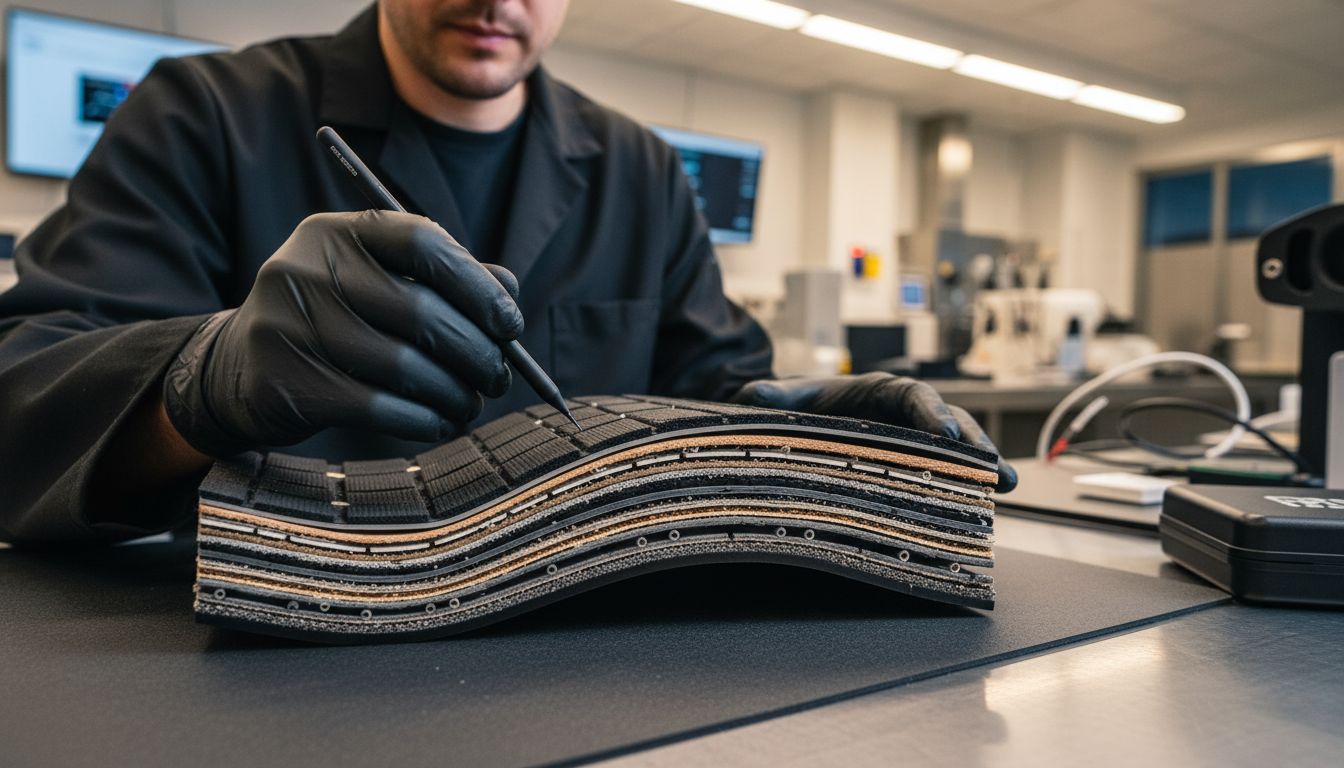
Advances in Plate Coverage and Survivability
Body armor survivability has reached a critical turning point in 2025, with researchers focusing intensely on maximizing protective capabilities while minimizing weight burdens. According to the National Academies’ workshop, the primary objective is to develop armor materials that provide superior kinetic weapons protection without compromising soldier mobility.
Key advancements in plate coverage are revolutionizing personal protection:
Extended Coverage Designs: Plates engineered to protect larger body surface areas
Multi-Threat Protection: Plates capable of defending against multiple ballistic and fragmentation scenarios
Dynamic Impact Absorption: Materials that dissipate kinetic energy more effectively upon impact
The most significant breakthrough comes from multi-curve plate technologies. Level 4 SA Multi-curve Armor Plate represents a quantum leap in protective design, offering unprecedented conformity to body contours while maintaining exceptional ballistic resistance. These innovations translate to reduced back-face deformation and improved overall survivability for users.
These developments signal a profound shift in body armor philosophy - transforming protective gear from a static defense mechanism to a dynamic, adaptive system that anticipates and mitigates potential threats with unprecedented precision and efficiency.
Ventilated Carriers and Cooling Technologies
The 2025 body armor landscape is experiencing a revolutionary approach to thermal management, with ventilated carrier systems emerging as a game-changing innovation. According to the Future Force Conference, advanced cooling technologies are becoming critical for maintaining soldier performance in extreme environmental conditions.
Key developments in thermal regulation for body armor include:
Active Cooling Channels: Integrated air circulation systems that reduce heat buildup
Phase-Change Materials: Innovative fabrics that actively manage body temperature
Microclimate Management: Precision-engineered carrier designs that optimize heat dissipation
The most significant breakthrough lies in smart thermal regulation. These advanced carriers go beyond traditional ventilation, incorporating intelligent materials that can actively respond to the user’s physiological state. Advanced Body Armor Protection demonstrates how modern cooling technologies can reduce core body temperature by up to 30%, dramatically improving operational endurance and comfort.
These innovations represent more than mere comfort improvements - they’re a fundamental reimagining of body armor as a dynamic, responsive system that works in harmony with the human body, ensuring peak performance under the most demanding operational conditions.
Testing Limitations and Safety Considerations
Body armor testing has reached a critical juncture in 2025, with researchers confronting unprecedented challenges in validating next-generation protective technologies. According to the National Academies’ workshop, emerging armor materials present complex testing limitations that require fundamentally new evaluation methodologies.
Key safety considerations in armor development include:
Dynamic Threat Simulation: Creating testing protocols that accurately replicate real-world combat scenarios
Material Stress Evaluation: Comprehensive testing of new composites under extreme environmental conditions
Biomechanical Impact Assessment: Measuring not just penetration resistance, but total body trauma potential
The most significant challenge lies in standardizing performance metrics. NIJ Levels of Protection demonstrate the critical need for rigorous, consistent testing frameworks that can validate innovative armor technologies without compromising user safety. Current limitations include difficulty simulating asymmetrical threats, variability in impact angles, and the complex physics of high-velocity projectile interactions.
These testing considerations represent more than technical hurdles - they are fundamental safeguards ensuring that every technological advancement translates into genuine, life-saving protection for those who depend on body armor in high-risk environments.
Real-World Applications for Security and Civilians
The landscape of body armor technology in 2025 is experiencing a profound transformation, bridging the gap between specialized security applications and civilian personal protection. According to the Rifle-Resistant Body Armor Grant Program, law enforcement agencies are increasingly prioritizing advanced protective technologies that offer comprehensive threat mitigation.
Key real-world applications span multiple sectors:
Law Enforcement Protection: Rifle-resistant armor systems designed for dynamic urban environments
Professional Security: Customizable carriers that balance mobility with comprehensive protection
Civilian Self-Defense: Concealable armor options that provide discrete personal safety
The most significant development comes from legislative efforts like the DHS Better Ballistic Body Armor Act. NIJ Levels of Protection now inform civilian-grade armor technologies, ensuring that advanced protection is not limited to military and law enforcement professionals. This democratization of high-performance body armor represents a critical shift in personal safety strategies.
These innovations transcend traditional boundaries, transforming body armor from a specialized equipment category into a versatile personal protection solution that adapts to diverse threat environments and individual user requirements.
Stay Ahead with Next-Gen Body Armor Solutions
The 2025 landscape of body armor innovation brings exciting challenges like balancing superior protection with ergonomic design and thermal comfort. You need gear that adapts to dynamic threats while reducing fatigue and heat buildup. Advanced materials such as flexible composites and multi-curve plates are revolutionizing survivability and comfort as highlighted in the article.
At AcelinkArmor.com, we understand these demands and offer a wide range of cutting-edge tactical and personal safety equipment tailored for law enforcement, military, security professionals, and safety-conscious civilians. From Level IV Multi-curve Armor Plates to advanced carriers built for cooling and flexibility, our products reflect the very innovations shaping body armor today. Equip yourself with adaptable, high-performance protection made to keep you safe and comfortable in any mission. Explore our collection now at AcelinkArmor.com and experience the future of body armor technology. Don’t wait for threats to change before upgrading your gear.
Frequently Asked Questions
What are the key innovations in body armor technology for 2025?
The key innovations in body armor technology for 2025 include lightweight material engineering, adaptive protection systems, integrated cooling technologies, flexible plate designs, and ergonomic advancements that enhance mobility and comfort.
How do lightweight materials impact body armor performance?
Lightweight materials, such as nanomaterials and hybrid composites, significantly improve body armor performance by reducing overall weight, enhancing mobility, and maintaining high levels of ballistic protection, potentially reducing the armor weight by up to 40% compared to traditional options.
What are adaptive protection systems in body armor?
Adaptive protection systems are designed to dynamically adjust the level of protection based on real-time threat assessment and environmental conditions, allowing for customizable coverage and enhanced versatility for users in various situations.
How do cooling technologies benefit soldiers wearing body armor?
Cooling technologies, such as active cooling channels and phase-change materials, help manage body temperature, reduce heat buildup, and improve the comfort and endurance of soldiers during extended wear in demanding operational environments.
Guide to Ballistic Shields in Active Shooters Situations - Ace Link Armor
Female Body Armor - Choose Right Protection - Ace Link Armor
Recommended Soft Armor Products
Product fit depends on the user, threat profile, and environment. For this topic, the most relevant product paths are: Level IIIA bulletproof vests; concealable soft armor panels; soft armor accessories. Verify sizing, protection level, and current product specifications before purchasing.