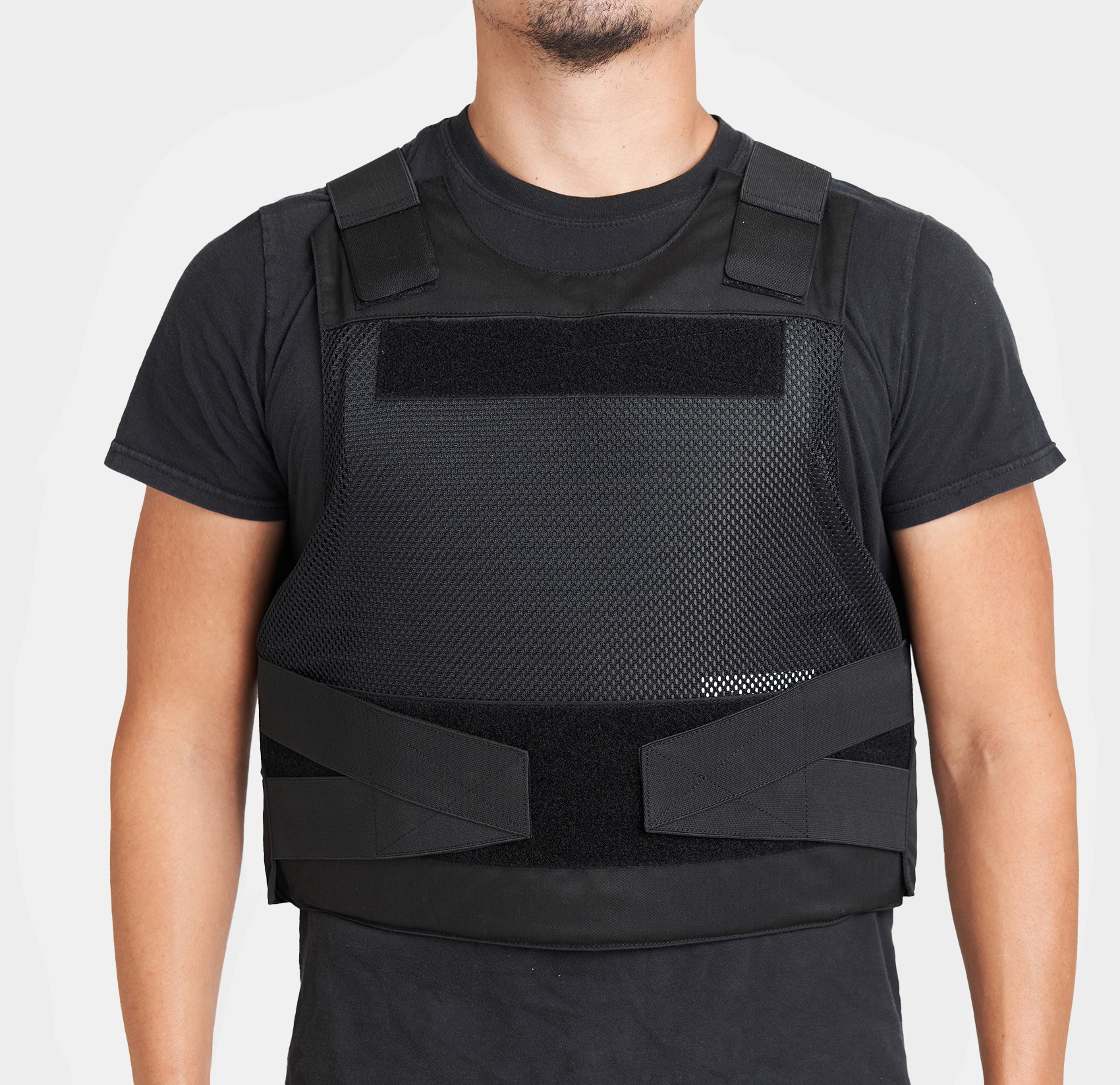
Over the past few decades, Bulletproof vests have become a crucial piece of equipment for Law enforcement officials, Military personnel, and security guards.
Key Takeaways
Soft armor performance depends on material condition, construction, fit, and verified ballistic testing.
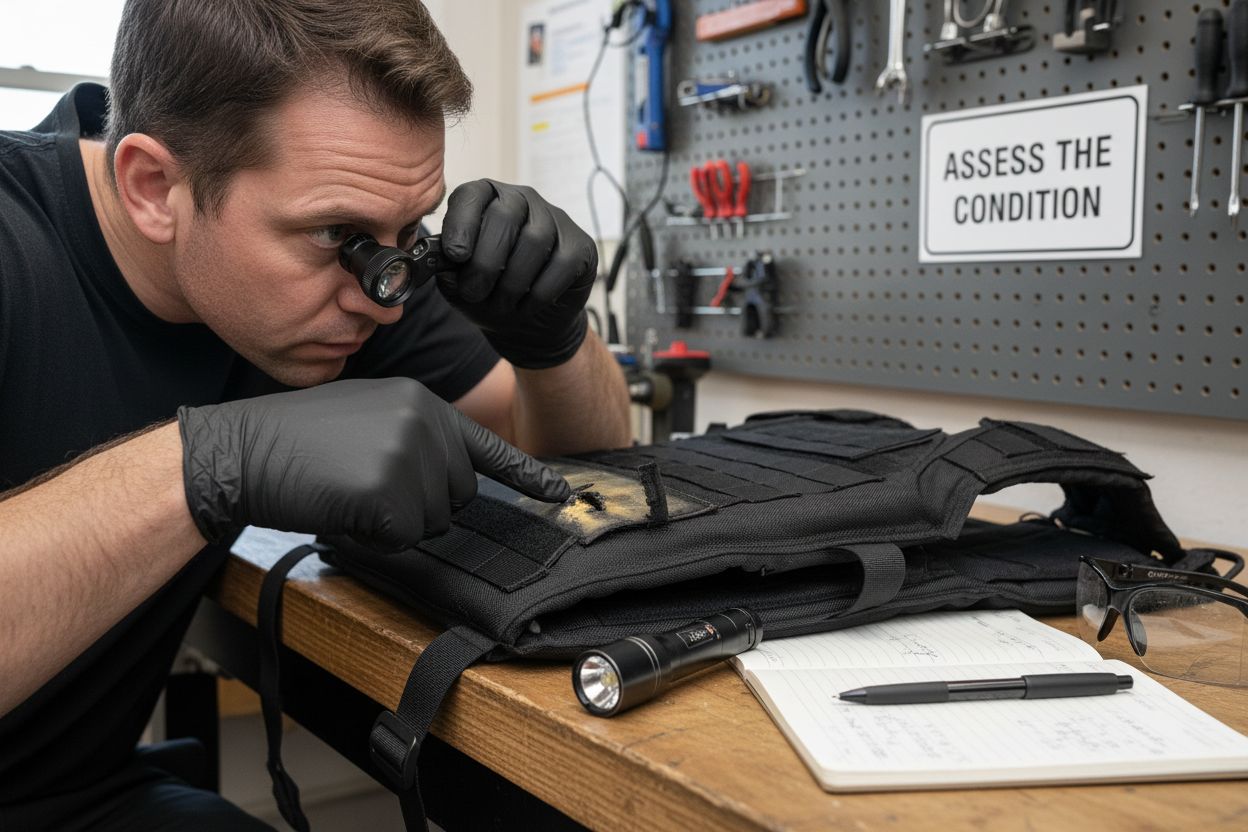
Visible damage, deformation, moisture exposure, warranty expiration, or failed inspection should trigger review.
NIJ certification and compliant product listings are the safest way to evaluate ballistic protection claims.
Do not treat soft armor as rifle protection unless the product is specifically rated for that threat.
Over the past few decades, Bulletproof vests have become a crucial piece of equipment for Law enforcement officials, Military personnel, and security guards. From the early Woven Silk vests used to stop arrows to the modern Ballistic vests that can stop high-velocity projectiles and absorb immense amounts of energy, the technology and science behind ballistic armor have come a long way. The first modern body armor was invented by a Polish-born inventor named Kazimierz Zeglen in 1897. Zeglen's design was a soft, flexible vest made from layers of silk that could be worn under clothing. The silk fibers were strong enough to stop a bullet without breaking, but they were also lightweight and breathable. Zeglen's invention quickly caught on, and within a few years, police departments and military units worldwide were using his silk vests to protect their personnel.
However, very few people know about the Science behind Bulletproof vests. So, in today's post, we will discuss the working of bulletproof vests, how they stop bullets, and their limitations. We will also explore the materials and designs used in making these vests and how they affect their performance.
Editorial intent: Informational / Legal; Legal. This guide is part of the Ace Link Armor soft armor knowledge base and should be read with related fit, protection, and product-selection resources.
Continue reading: For more context on soft armor decisions, compare this guide with School Security and Bulletproof vests, How to Train with Your Bulletproof Vest: Preparing for High-Risk Situations, Body Armor Innovations: Bulletproof Vest Complete Guide, How to Conceal Your Bulletproof Vest Under Clothing: Tips and Tricks for Everyday Wear.
Different Materials used to Make Bulletproof Vests:
Bulletproof vests consist of multiple parts that are made from different materials. Firstly, you have the outer carrier, which can be made from a wide range of durable fabrics like 500D Nylon. Ballistic nylon is a heavy-duty nylon fabric designed to resist tears, abrasions, and punctures, making it a perfect fit for the outer carriers of bulletproof vests.
Soft armor panels are made from Aramid fibers like Kevlar, Twaron, and Dyneema. These fibers are woven together to form a flexible, lightweight, and bullet-resistant fabric. Soft armor panels are ideal for protecting against handgun rounds, but they may not be effective against high-powered rifles.
Hard armor panels, on the other hand, are made from Ultra High Molecular Weight Polyethylene (UHMWPE), ceramic materials, or a combination of both. These panels are heavier and thicker than soft armor, but they provide superior protection against high-powered rifles and armor-piercing rounds.
What are Aramid Fibers?
Aramid fibers are a class of synthetic fibers characterized by their exceptional strength and heat resistance. These synthetic fibers are made through a chemical process called polymerization, which allows Bondable molecules or Monomers to form long chains of repeating units with extremely strong bonds. Aramid fibers were first developed in the 1960s by DuPont, a US-based chemical company, as a replacement for steel belts in radial tires. However, they soon found applications in a variety of other industries due to their exceptional properties. Today, aramid fibers are used in everything from sports equipment and racing sails to cables and ropes for offshore oil drilling.
Aramid fibers have a remarkable strength-to-weight ratio, making them up to 5 times stronger than steel on an equal-weight basis. This makes them ideal for use in applications that require high strength and durability but also need to be lightweight, such as bulletproof vests, helmets, and aircraft components. Aramids have excellent resistance to heat, flames, and chemicals. They can withstand temperatures up to 400°C without degrading or melting, and they are highly resistant to acids, alkalis, and organic solvents. This makes them a popular choice for protective clothing worn by firefighters, military personnel, and industrial workers.
In more simple words, Aramid fibers have long repeating molecular structures, which are strongly bonded to each other. This allows them to have a higher tensile strength than steel.
How do Bulletproof vests work?
The main purpose of a ballistic vest is to prevent or minimize the penetration of bullets and prevent excessive deformation of the panel on the body side. It achieves this by stopping (so-called mushrooming) the bullet and absorbing or dispersing the kinetic energy it delivers along its fibers. When a bullet strikes this panel, all of its energy is absorbed by the fibers as they stretch and twist. This disperses the bullet's energy over a large area, preventing penetration.
However, it is important to remember that even though the bullet may not penetrate your body when you wear a ballistic vest, you will feel its impact. In some cases, high-energy calibers can break a person's ribs from the sheer impact force, even though they don't penetrate the vest.
To be precise, bulletproof vests are not actually "bulletproof" - instead, they are designed to be bullet-resistant, meaning they can stop most bullets from penetrating the wearer's body. No vest can provide 100% protection against all types of bullets, and the effectiveness of a vest depends on factors like the type of bullet, the distance it was fired from, and the angle of impact.
Product Comparision