There is a saying which goes like “ We are only as civilized as our circumstances allow us to be”.
Key Takeaways
Soft armor should be selected around the wearer’s role, likely threats, mobility needs, and daily environment.
Training with armor helps users understand weight, heat, movement, access to gear, and fatigue before a real incident.
Internal links to related guides should help readers compare fit, concealment, replacement timing, and protection limits.
Protective equipment should support a larger safety plan rather than create false confidence.
There is a saying which goes like “ We are only as civilized as our circumstances allow us to be”. Very few people understand the value of modern civilization, where for the most part, at least in first-world countries, the lives and livelihoods of people are safe. Yet, those who truly value this civilization understand the precariousness of this order and how swiftly it can unravel into chaos. Whether it is a natural disaster, a Pandemic, an all-out war like in Ukraine and the Middle East, or the unlikely demise of society as we know it, these people, as some may call them Survivalists or preppers, understand the importance of staying prepared for such situations.
In such a situation, the first and foremost priority of every survivalist is personal protection. This is why body armor has become an indispensable asset for such people. So, if you are a survivalist, this post is for you. We will discuss everything you need to know to get the best body armor setup for your survival. From best practices to gear preferences…keep reading to learn more.
Editorial intent: Commercial Investigation; Buying Guide. This guide is part of the Ace Link Armor soft armor knowledge base and should be read with related fit, protection, and product-selection resources.
Continue reading: For more context on soft armor decisions, compare this guide with The Best Body Armor For Your Career In 2022, Fragments Protection in Body Armor: Complete Guide, Defective Body Armor: A Step-by-Step Guide, Body Armor Innovations: Bulletproof Vest Complete Guide.
What to Look for when buying body armor as a survivalist.
In general, there are loads of things you should keep in mind when buying body armor, but to be more specific, we'll talk about things from the perspective of a Survivalist or prepper. Here are the main things you should consider when you go body armor shopping.
Reliable Protection:
First and foremost, you need to choose reliable armor. This means looking for Trusted, NIJ Certified body armor manufacturers, who make high-quality Armor panels and plates. The NIJ, or National Institute of Justice sets industry standards for body armor, and you can trust that an armor panel that meets these standards will offer reliable and consistent protection against the calibers that it is rated for.
Versatility:
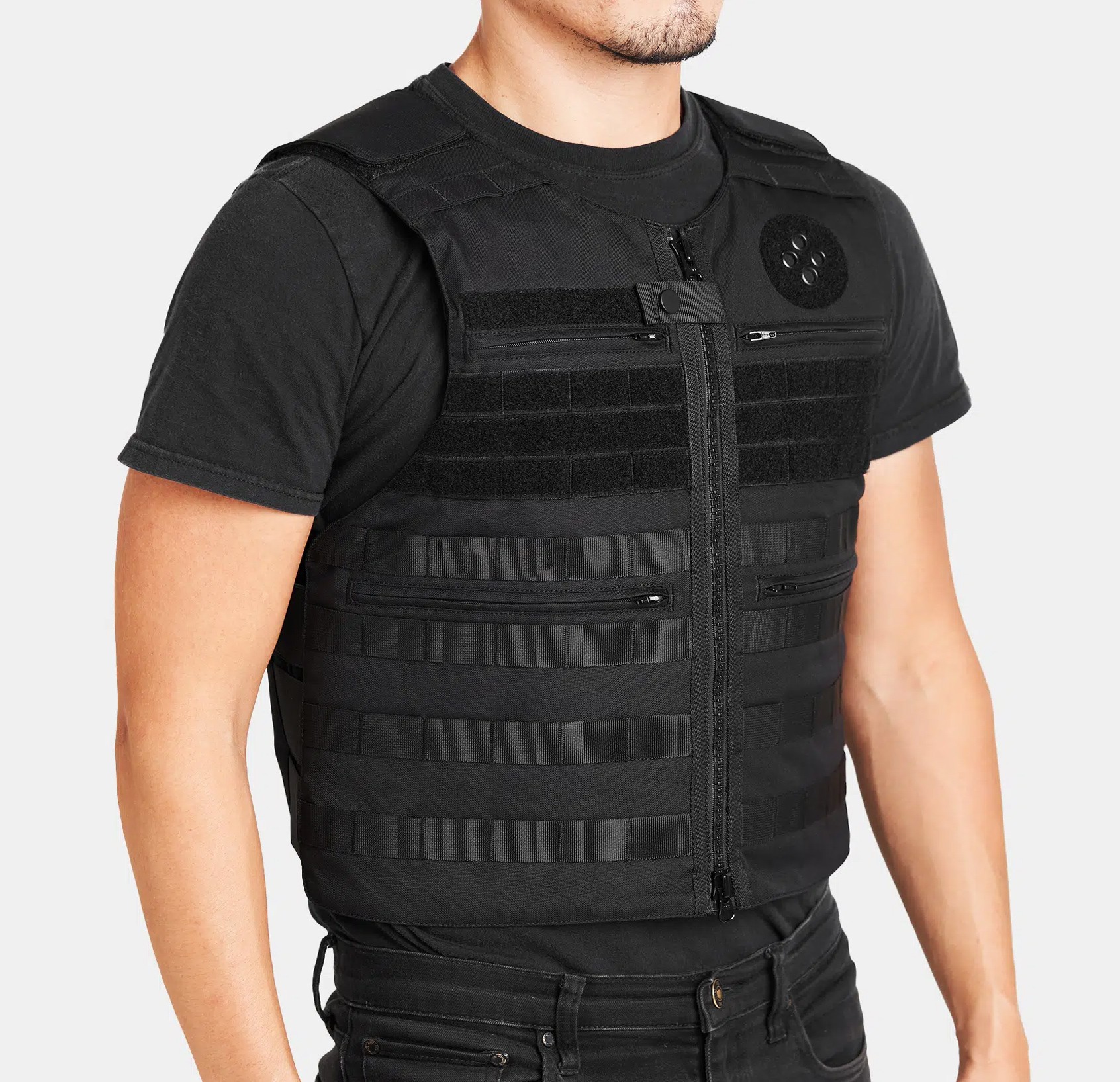
Next up, the most important thing to keep in mind is versatility. As a survivalist, you need to be prepared for a wide range of scenarios. Those diverse situations require different gear setups and armor specifications. Therefore, ideally, you should have a personal protection system that can fit both soft armor panels and hard armor plates. It should be MOLLE or Laser Cut Compatible, and should offer some level of concealability as well for situations where you want protection, but don't want to attract attention.
Finding all of these features in a single-body armor setup can be nearly impossible. However, we have a solution in the form of our Skeletac Hybrid vest… but more on that later.
Weight and Mobility:
You also don't want your body armor to be too heavy. Ideally, your personal protection system should be light, and more importantly, comfortable. In a survival situation, you need to be mobile and agile, and an ill-fitting vest can be quite detrimental to your mobility.
Durability and Shelf Life:
As a survivalist, you must rely on their gear in unpredictable and prolonged scenarios. Therefore, you must look for body armor that has a long shelf life and is fairly durable.
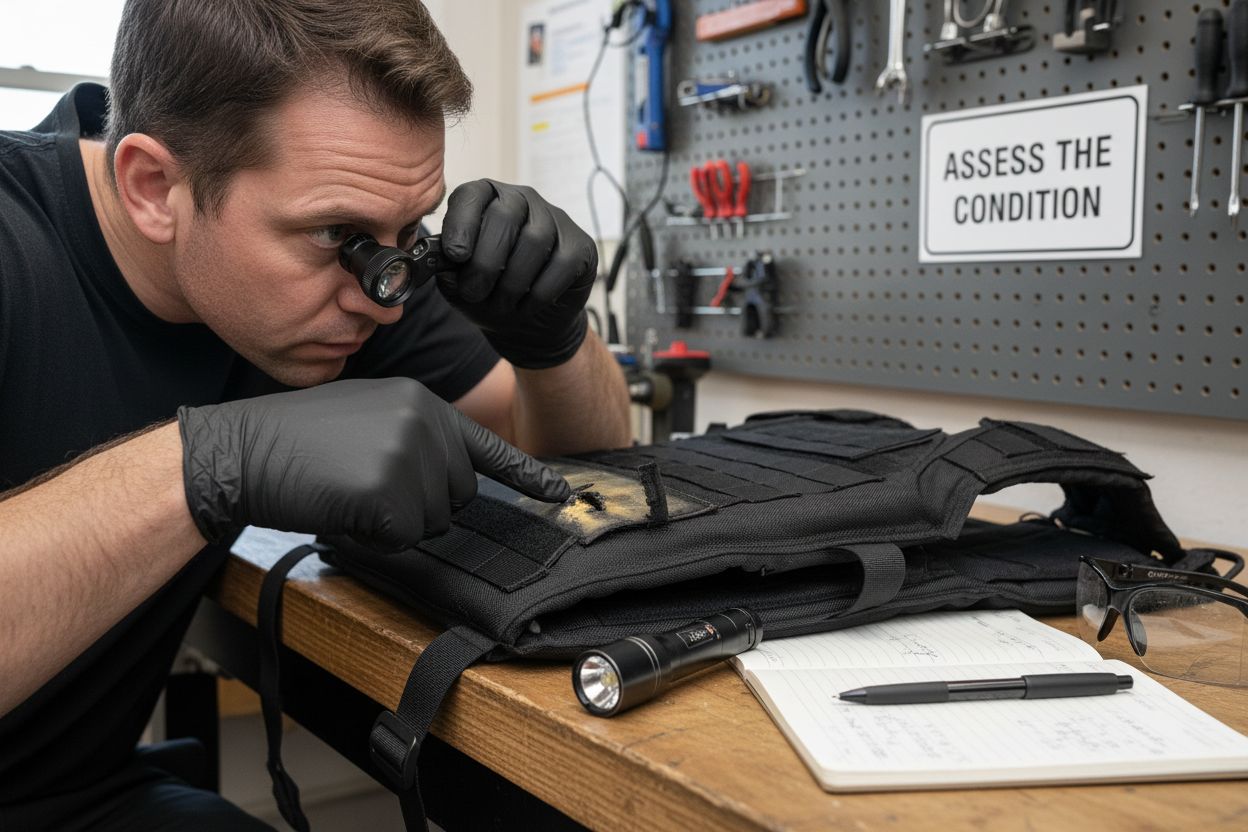
You see, most people don't realize that body armor can expire as well. For instance, Kevlar and other aramid fibers, commonly used in soft armor, can degrade when exposed to moisture, UV light, and extreme temperatures. Similarly, ceramic and polyethylene plates, can suffer from micro-fractures or chemical degradation.
These environmental factors can degrade the effectiveness of body armor over time, especially if it isn't stored properly. You can learn more about the proper storage and maintenance of body armor plates here.
Product Comparison